Summary: The last stage decides what arrives at your filling line: inspection discipline, hygiene control, and a disinfection method compatible with your inks and foils. This guide covers how the process self-sanitizes, the four disinfection options and their trade-offs, and the inspection logic (tightened vs relaxed) that separates auditable factories from hopeful ones.
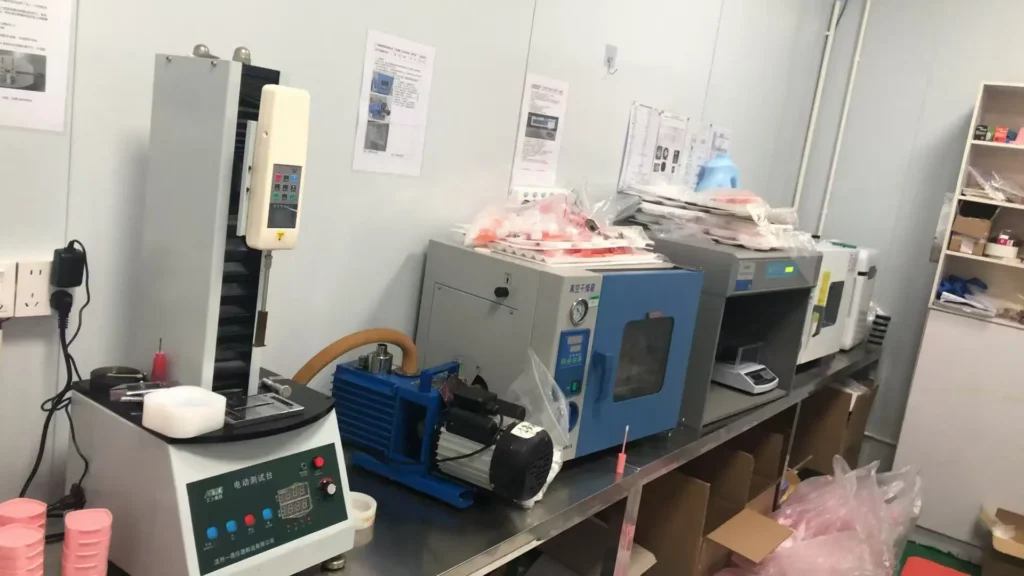
The Process Is Partly Self-Sanitizing
Two inherent steps reduce bioburden before any dedicated disinfection:
- Melt sterilization: forming melts plastic at 145–245°C — a thermal sterilization step in itself.
- UV exposure: the printing stage’s UV lamps and cure temperatures add further reduction.
A controlled factory then manages environment and product: quarterly bacterial-count sampling of tubes and quarterly workshop hygiene audits. Ask when the last two audits ran — “quarterly” is a claim you can verify with dates.
Disinfection Methods: The Trade-Offs
| Method | Suitable for | Watch out |
| Alcohol wipe-down | Small batches | Concentration and contact time affect ink; alcohol must fully evaporate before filling |
| Ozone | General use | Hot-stamped and metallic-ink tubes oxidize |
| UV | General use | Hot stamping oxidizes; color-shift risk on tubes |
| Gamma / e-beam irradiation | Large-volume filling operations | Requires compatible inks and materials — qualify per artwork |
Match the method to your decoration stack before the filling line is chosen, not after a batch of hot-stamped tubes turns dull.
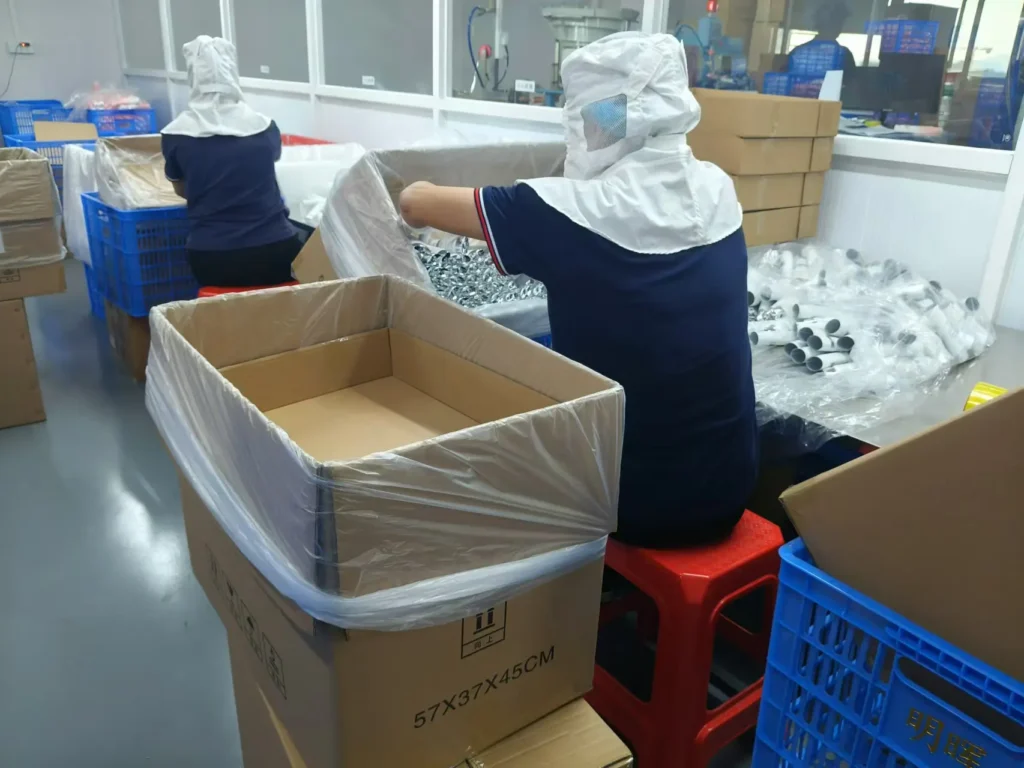
Inspection Logic: Tightened vs Relaxed, and When Each Applies
Quality inspection is not uniform — stringency changes with risk:
- Tightened inspection applies to: new operators, new machines/molds, new materials, new processes, first-article checks, and in-process checks of critical control points (material verification, barrier layer integrity, bond strength, seal integrity, thread/shoulder thickness — see the extrusion and injection guides).
- Normal or relaxed inspection applies at final shipment and to non-critical points (dimensions, color, appearance). Non-critical does not mean untested — it means normal stringency, 100% monitored on line.
That distinction is the single best audit question for a tube supplier: “Which points do you treat as critical control points, and what is the inspection stringency at each?”
Measurement Discipline
Numbers only mean something if the gauge was right:
Select gauge by required precision → verify the gauge (calibration label, zero check) → measure with controlled force at defined points → record and judge.
A factory that cannot show calibration labels is guessing with extra steps.
Lot Traceability
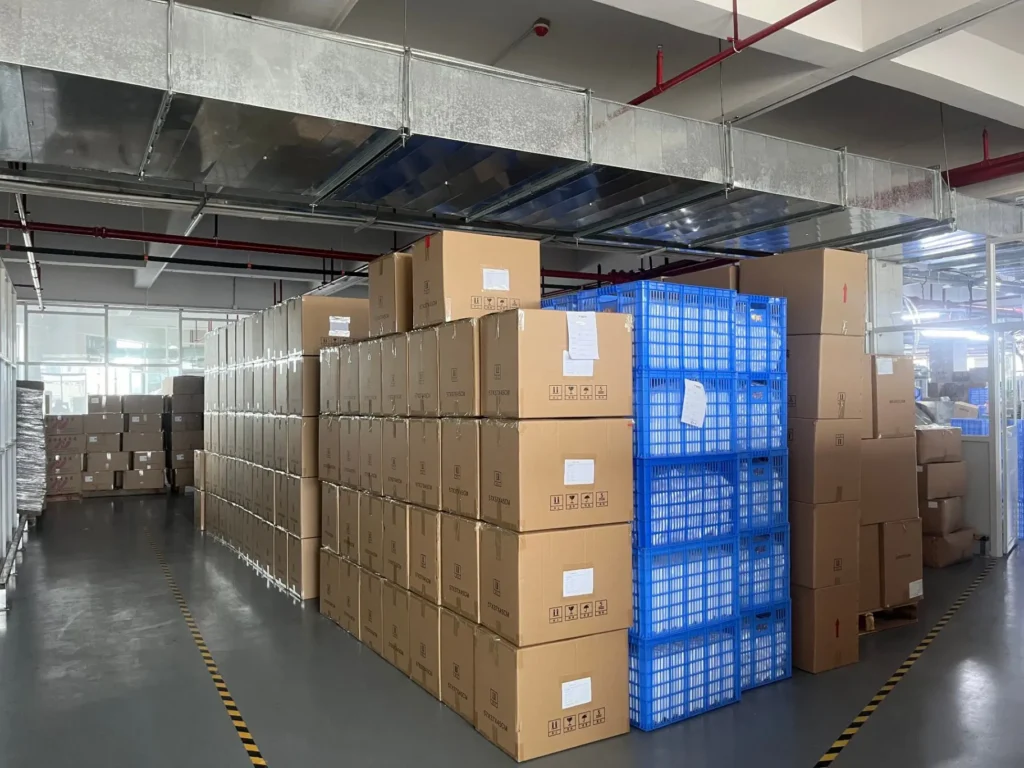
Final-stage output is 100% inspected, packed, and warehoused under lot control, with every carton traceable back to its extrusion and injection batches. This allows quality complaints to be investigated against actual production records rather than treated as isolated incidents.
Traceability also supports regulatory compliance. Under Article 15(5) of the EU Packaging and Packaging Waste Regulation (PPWR), packaging must carry a type, batch, or serial number, or another identifier that allows it to be traced and linked to relevant compliance documentation. For brands evaluating chemical compliance requirements, including PFAS restrictions, our guide to choosing PFAS-compliant cosmetic packaging suppliers explains the role of component-level traceability, third-party testing, and ongoing supplier verification.
FAQ
Do tubes need sterilization before filling?
Not always. The process itself (melt + UV) plus quarterly bioburden audits may satisfy your QA. High-risk or preservative-light formulas justify a dedicated method — pick from the table above against your decoration stack.
Which disinfection is safe for hot-stamped tubes?
Alcohol (with full evaporation) is the least aggressive; ozone and UV both attack metallic/hot-stamp surfaces. Irradiation needs qualification.
How is a quality complaint investigated?
Via lot traceability: carton → lot → extrusion batch and injection batch records, including the peel-test and first-article documentation.
Series Recap
You now have all six stages: materials → extrusion → injection → printing → post-processing → this stage. Series overview → Cosmetic Tube Manufacturing Process.
Work With a Factory That Can Show You the Process
Xinde Packaging (XDPACK) is a cosmetic plastic packaging source factory with 20+ years of experience and monthly capacity of 3 million+ tubes. ISO 9001:2015 certified (cert. no. 05126Q02540R053). Verified test reports, published for your independent verification: SGS FDA report TSNPC26001739001 · SGS PFAS 671-substance Not Detected report CANPC26010411601 · SGS REACH + PPWR (EU) 2025/40 report CANPC26014689301. If you’re looking for new tube packaging, feel free to contact us for more tube information.
→ Free standard samples (10,000 pcs MOQ), shipped worldwide (EU + US). All channels in one place: https://linktr.ee/xdpack?subscribe · Email info@xdpackcom.net · WhatsApp +852 4428 9016.