
Introduction
Cosmetic bottle electroplating is not simply a way to add a metallic color to a finished bottle. For cosmetic brands, the real challenge is keeping the approved appearance consistent while maintaining adhesion and durability throughout mass production, assembly, filling, packaging, and transport.
At XINDE, we have managed projects where a champagne gold finish became darker and hazier around the shoulder, where mirror-silver bottles developed pinholes near the bottom edge, and where a batch that passed visual inspection was later scratched during pump assembly. These cases pointed to the same lesson: the visible defect is not always caused by the final plating step.
This article explains where electroplating fits into the cosmetic bottle production chain, how it differs from vacuum metallizing, and four common defect categories buyers should understand. It also covers the quality checks and approval steps that can help reduce rework before mass production.
Where Electroplating Fits in Cosmetic Bottle Production
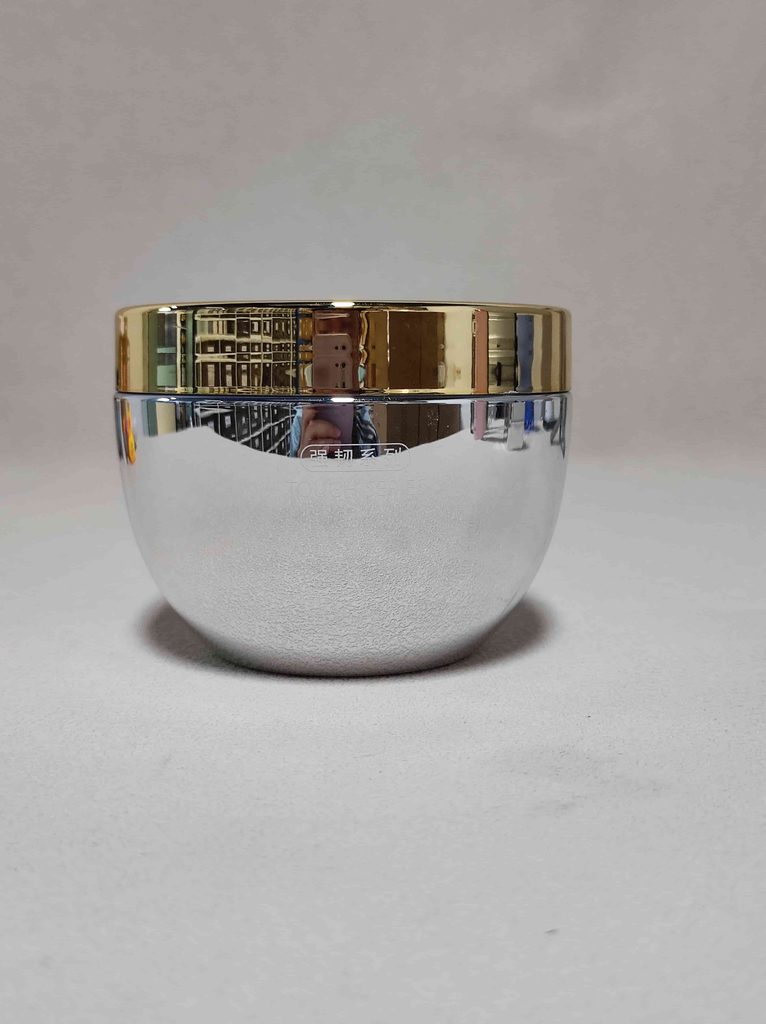
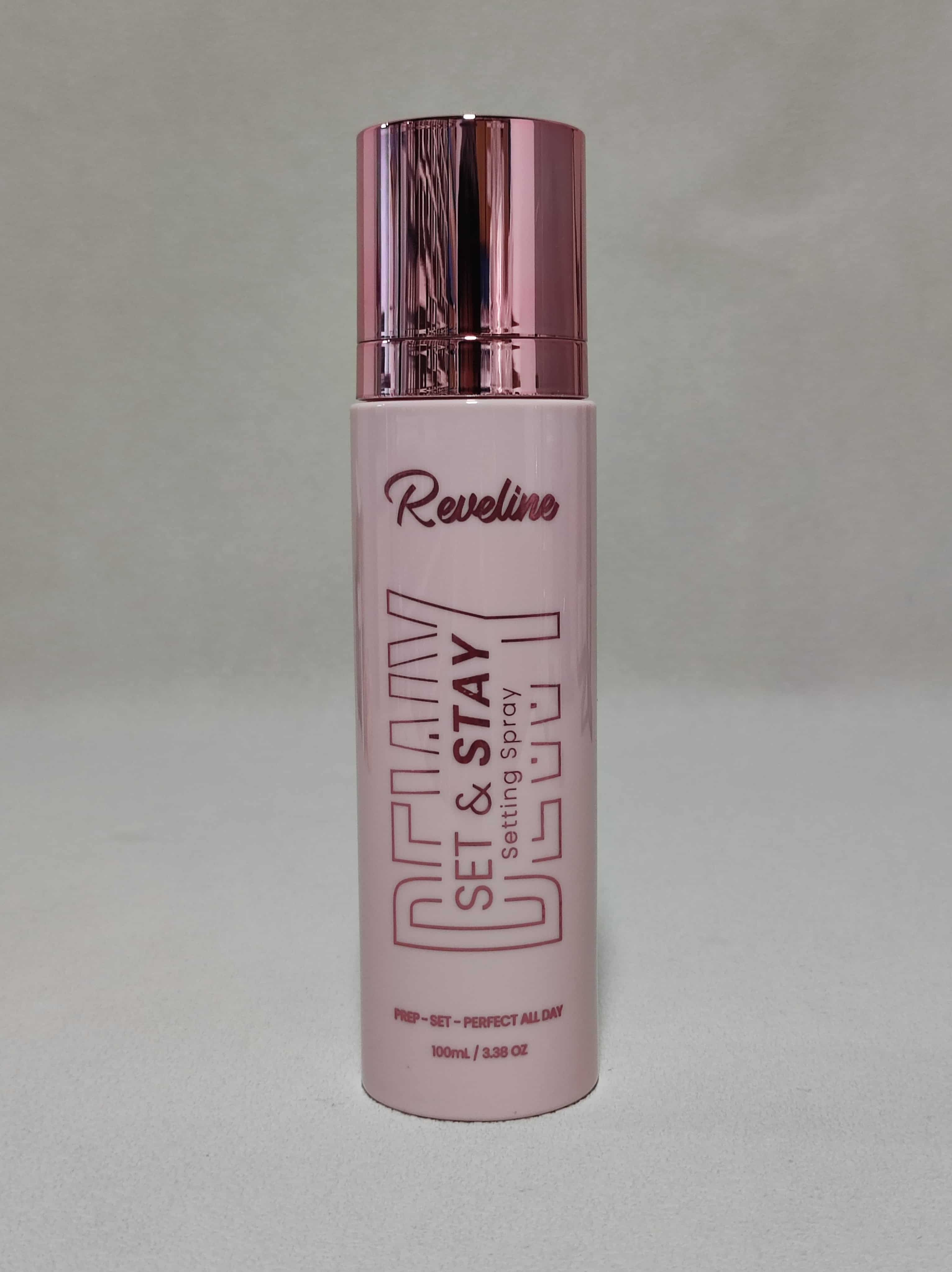
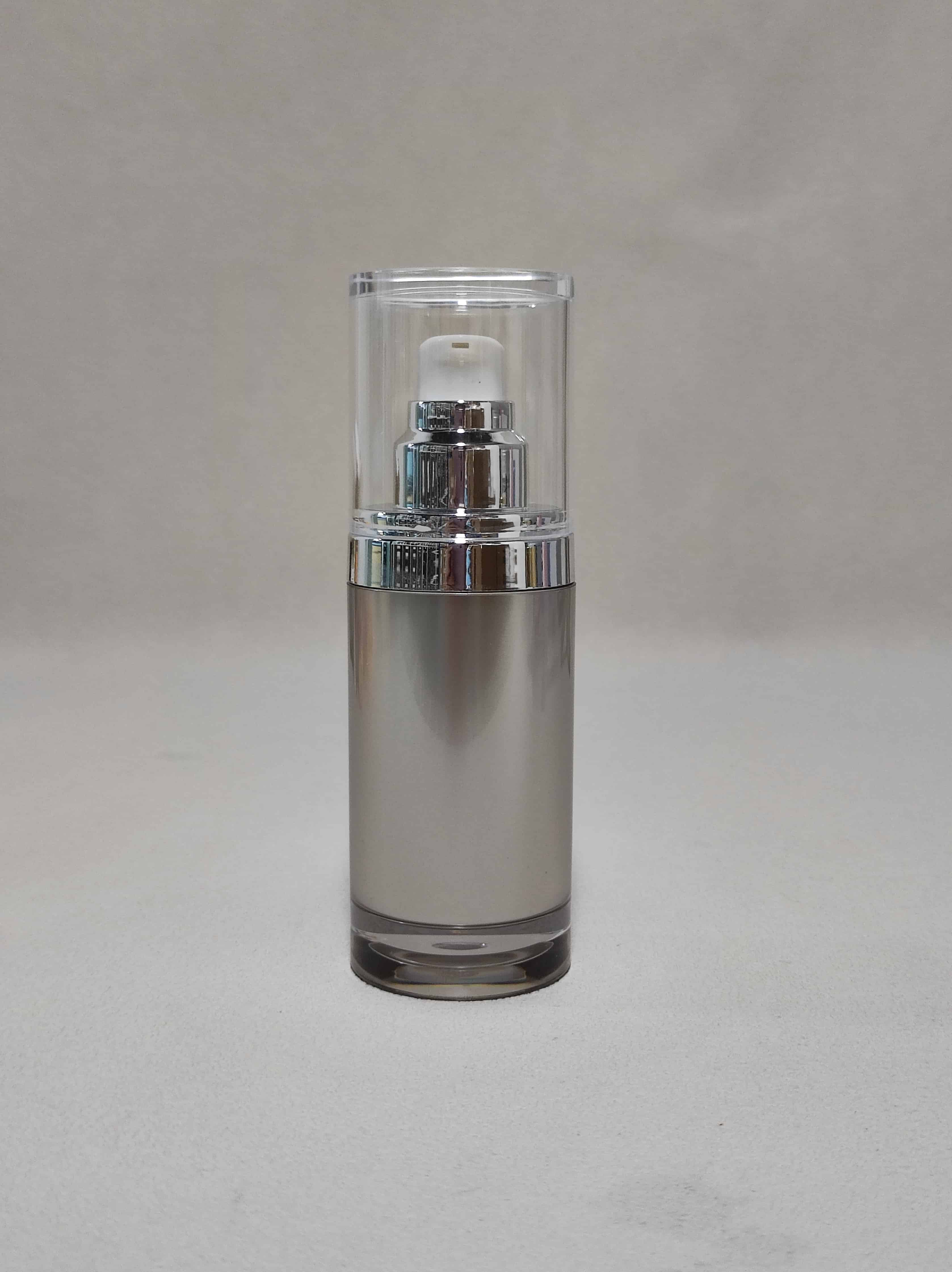
Champagne gold, mirror silver, gunmetal, metallic black, and other premium finishes are applied after the bottle has been molded. The challenge is not producing one attractive sample. It is reproducing that appearance consistently across a production batch.
A finished metallic bottle depends on more than the metal deposition itself. Bottle geometry, surface condition, base coat quality, pretreatment, fixture contact, and process stability all influence the final appearance and durability.
For plastic bottles, electroplating should therefore be treated as part of a larger finishing system:
Molded bottle → surface preparation → base coat when applicable → metal deposition → inspection → assembly or further decoration
This is why problems found after electroplating should not automatically be blamed on the plating bath or deposition parameters. A surface that enters the finishing process in an unstable condition can make upstream defects visible in the final metallic layer.
For buyers working with plastic substrates, ASTM B727 provides a useful industry reference for preparing plastics for electroplating. The standard describes preparation steps that may include cleaning, conditioning, etching, neutralizing, catalyzing, accelerating, and autocatalytic metal deposition before conventional electroplating. It is best treated as a preparation guide rather than a universal checklist that every cosmetic bottle must follow in exactly the same sequence.
Before a bottle enters a finishing process, suppliers should at minimum confirm that the bottle surface is compatible with the selected finishing system, that contamination will not compromise adhesion, and that difficult areas such as curved shoulders, grooves, bottom edges, and fixture contact points have been included in process validation.
Electroplating vs. Vacuum Metallizing: Which Finish Are You Buying?
Not every metallic-looking cosmetic bottle is electroplated. Electroplating uses an electrically conductive surface and deposits metal through an electrochemical process. Vacuum metallizing deposits metal in a vacuum environment and is commonly used together with a base coat and protective top coat to create a decorative metallic surface.
For a packaging buyer, the important question is not which technology is universally better. The appropriate route depends on the bottle material, geometry, target appearance, durability requirements, production volume, and the capabilities of the finishing supplier.
| Finishing route | Basic principle | What buyers should monitor |
| Electroplating | Metal deposition after the plastic surface has been made conductive | Adhesion, coverage, uniformity, and surface defects |
| Vacuum metallizing | Metal deposited in a vacuum chamber, typically over a prepared base coat | Base-coat quality, deposition uniformity, and protective top coat |
| Both | Decorative metallic appearance | Compatibility between bottle, finish, appearance target, and use conditions |
One important purchasing lesson applies to both routes: a color name is not a complete specification. “Gold” does not define brightness, hue, reflectivity, or gloss. The approved physical sample should remain the visual reference, with acceptable variation clearly agreed before mass production.
Defect 1: Peeling, Flaking, and Poor Adhesion
A metallic surface can look smooth and complete while its underlying adhesion is weak. Adhesion refers to the bonding between the bottle substrate, coating layers, and metallic layer. Problems may not become visible until the bottle is handled, assembled, rubbed, or subjected to mechanical stress.
Common causes can originate before metal deposition: surface contamination, inadequate pretreatment, unstable base coating, or poor interface conditions. This is why troubleshooting should cover the complete finishing system instead of focusing only on the final deposition stage.
For cosmetic packaging, adhesion should also be considered in relation to the next production step. A bottle may look perfect immediately after finishing but still fail when a pump, cap, collar, or other component is installed. The approval method should therefore reflect how the finished bottle will actually be handled.
Defect 2: Uneven Color, Brightness, or Coverage
One of the most noticeable cosmetic packaging defects is an uneven metallic appearance. The main body may look consistent while the shoulder, curved area, recessed section, or bottom edge appears darker, hazier, thinner, or slightly different in tone.
Case: 120ml Champagne Gold Vacuum-Metallized PET Serum Bottle
For a 120ml round-shoulder PET serum bottle, the target was a soft champagne gold finish. The hand-made sample matched the customer’s reference perfectly.
During two mass-production runs, however, the bottle body remained consistent while the shoulder became darker and hazier. Some bottom edges also showed thinner metallic coverage, and the same defect repeatedly appeared on particular racks.
The initial assumption was that the vacuum process was unstable. Vacuum level, evaporation current, and deposition time were adjusted, but the defect remained after additional trials.
The investigation then moved upstream to the base coat, the coating underneath the metallic layer. The base-coating line had been accelerated to increase output, and the curved shoulder received approximately one-third less coating thickness than the main body. At the same time, worn fixture contact points increased resistance at the bottle base and contributed to uneven metal deposition.
The corrective actions were to reduce the base-coating line speed, add an additional spray pass to the shoulder, and refurbish the fixture contacts. The final batch achieved more consistent brightness across the bottle, with ΔE controlled below 1.
ΔE is a numerical way of expressing color difference between two colors in a defined color space. In practical production control, a lower ΔE means a smaller measured color difference. CIE’s colorimetry guidance covers the measurement and calculation of color differences, including CIELAB-based methods.
The broader lesson is important: when metallic coverage is uneven, the cause may be in the coating or fixture system rather than the final metal-deposition parameters. Check the layers underneath before changing the last process.
Defect 3: Pits, Pinholes, and Blistering
Fine pits, pinholes, and blister-like defects can be difficult to identify on reflective cosmetic packaging. Under ordinary office lighting, a bottle may appear acceptable even though small surface defects are present.
Case: 50ml Mirror-Silver Electroplated PET Eye Cream Bottle
A 50ml PET eye cream bottle was specified with a mirror-silver electroplated finish. During mass production, fine pinholes and pits appeared around the bottom edge, together with uneven plating in the affected areas.
The first suspicion was the electroplating process itself. Current density, bath composition, temperature, and pH were checked, and the bath was filtered and treated. The defect still remained.
The investigation moved back to the previous processes and found two contributing factors. First, the bottles had skipped the normal stress-relief step after blow molding because of schedule pressure. Second, a plasma-cleaning nozzle had shifted, leaving part of the bottom edge insufficiently treated.
Residual mold-release agent and dust remained in the affected area, weakening the surface condition before plating. At the same time, residual stress could be released during processing, contributing to local deformation and uneven plating stress.
The corrective actions were to restore thorough cleaning and plasma treatment and reinstate stress relief before electroplating. The mirror finish became uniform again, and subsequent adhesion checks passed.
For buyers, the lesson is the same as in the previous case: visible plating defects can be symptoms of molding, stress management, surface preparation, or coating problems rather than a simple bath-control problem.
Defect 4: Scratches, Wear, and Real-World Durability
The final defect category is often overlooked because appearance is naturally the first thing buyers inspect. But a metallic cosmetic bottle must also survive filling, assembly, packaging, handling, and transportation without unacceptable damage.
Case: A Batch That Passed Appearance Inspection but Failed During Assembly
For one rush-order project, the customer decided to skip the adhesion test and only checked the sealing performance. The electroplated bottles passed the visual inspection and were released for assembly.
After the pump heads and external components were installed, visible scratches appeared around the bottle neck on approximately one-third of the batch. The affected bottles had to be returned for rework and replating, adding logistics costs and delaying the customer’s launch schedule.
The lesson is straightforward: appearance approval is not the same as durability approval. A metallic finish should be evaluated against the actual forces the bottle will experience, including component installation, packaging friction, handling, and transportation.
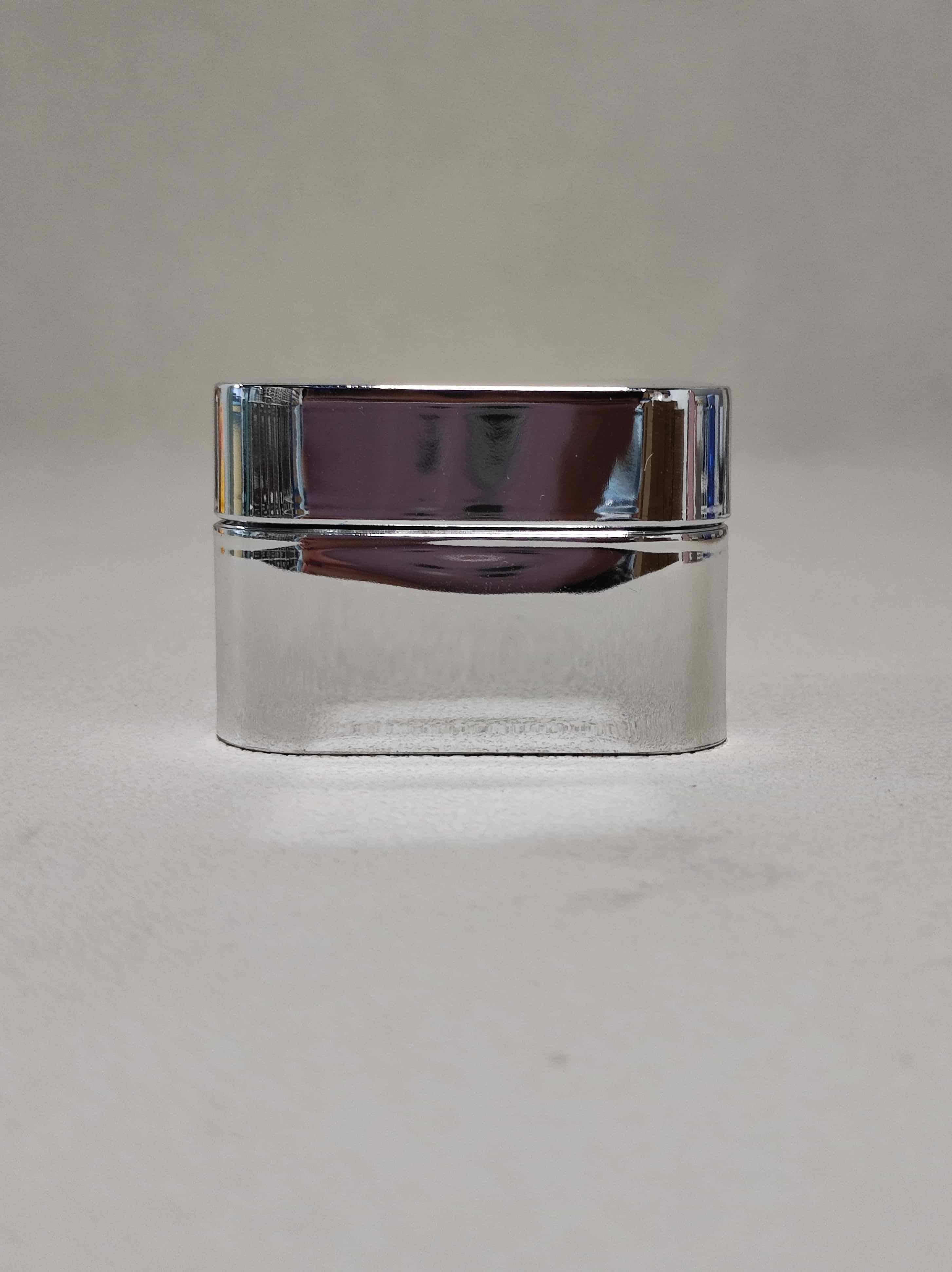
What Should Brands Check Before Approving Electroplated Cosmetic Bottles?
A useful quality plan should evaluate the finished metallic surface from several angles rather than relying on a simple “looks good” inspection. For decorative electroplated plastics, ASTM B532 provides a reference for evaluating the types and amounts of visual defects that can be tolerated, while also making clear that the permitted defect quantity should be specified by the purchaser and that appearance is evaluated according to the surface’s prominence in normal use.
Three practical checks are especially important:
- Do not inspect only under ordinary office lighting. Rotate the bottle under suitable directional light and examine the shoulder, grooves, bottom edge, and other difficult areas.
- Pay attention to pinholes and hidden surface defects. Reflective finishes can conceal small problems at normal viewing distance.
- Define adhesion and durability requirements before mass production. The test method and acceptance limit should match the substrate, coating system, application, and actual use conditions.
| Quality dimension | What to check | Why it matters |
| Appearance | Color, brightness, coverage, pits, and visible defects | Confirms the approved metallic appearance |
| Uniformity | Shoulder, body, bottom, and recessed areas | Reveals local variation |
| Adhesion | Bonding between metal and coating layers | Helps prevent peeling and flaking |
| Surface durability | Resistance to handling and abrasion | Protects the appearance after production |
| Pre-finishing condition | Base coat, cleanliness, and pretreatment | Reduces upstream defect risk |
| Assembly compatibility | Cap, pump, collar, and contact areas | Reduces damage during assembly |
For projects that require a standardized peel-strength method, ASTM B533 is another relevant reference for electroplated plastics. It describes procedures for measuring the force required to peel a metallic coating from a plastic substrate, but the standard specifies the use of standard molded plaques and does not directly cover production electroplated parts. For cosmetic packaging, the applicability of any test method should therefore be agreed with the customer and test laboratory rather than assumed automatically.
From Sample Approval to Mass Production
A successful sample proves that the target metallic appearance can be achieved. It does not automatically prove that the same appearance will remain stable across a full production run.
Before mass production, both sides should establish a physical reference sample, defined observation conditions, the relevant test methods, and clear acceptance criteria. This gives the buyer and supplier the same definition of an acceptable finished bottle.
| Production stage | What to confirm | Evidence |
| Appearance approval | Metallic color, brightness, and gloss | Approved physical reference sample |
| Trial production | Coverage and appearance consistency | Trial-batch inspection record |
| Quality testing | Adhesion and durability | Test report |
| Mass production | Batch-to-batch consistency | QC inspection records |
| Final confirmation | Appearance and functional condition | Approved production standard |
The supplier should also be able to trace defects when they occur. The objective is not simply to reject one defective bottle, but to identify whether the cause originated in the bottle, base coat, pretreatment, fixture, metal deposition, or post-finishing handling.
This matters even more in cosmetic packaging because a defect discovered after filling or assembly can cost much more to correct than a defect identified immediately after finishing.
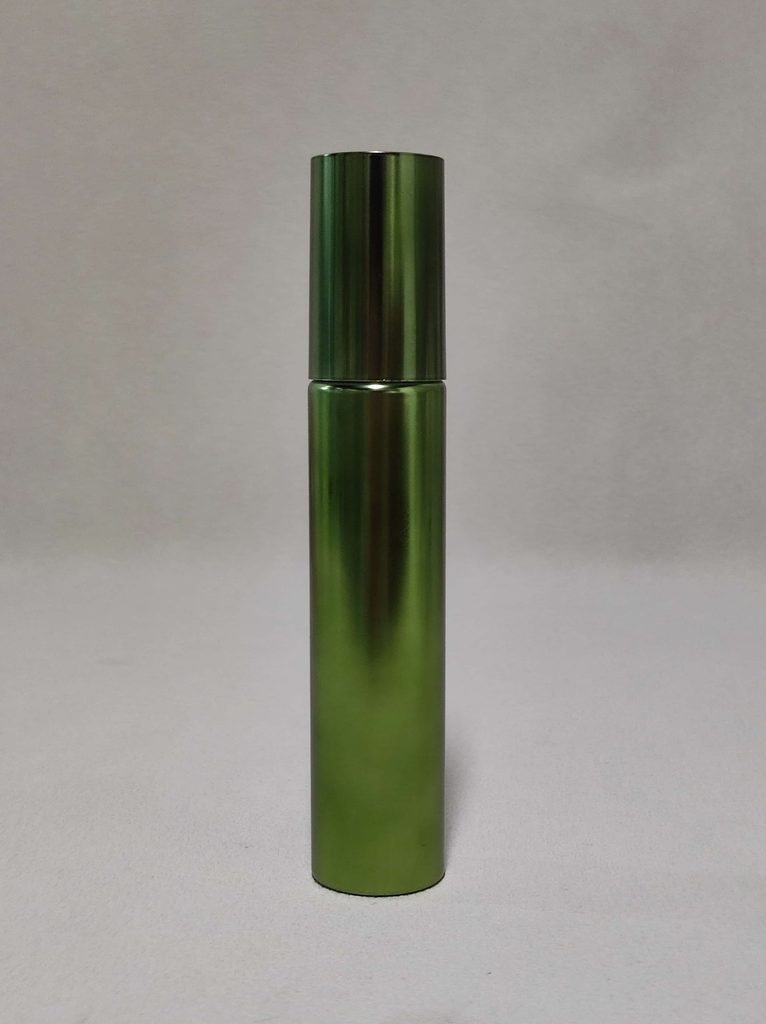
How XINDE Manages Electroplating Quality
At XINDE, electroplating is performed by specialized finishing suppliers, while we manage the project from the packaging side. Our responsibility covers the bottle condition, target metallic appearance, finishing supplier coordination, inspection requirements, and compatibility with downstream assembly.
Before finishing, we review the bottle’s base condition and the required appearance. During production, we coordinate trial runs with the finishing supplier and investigate abnormalities without assuming that every visible defect comes from the final electroplating parameters.
After finishing, we check appearance, uniformity, adhesion, durability, and compatibility with the next production stage. Outsourcing a finishing process does not mean outsourcing quality responsibility.
Our documentation also includes third-party testing reports for selected packaging products, and project-specific testing can be coordinated when additional requirements apply. Such documentation is used according to the tested product and applicable requirements rather than treated as a universal specification for every bottle or decoration combination.
XINDE operates with its own factory and warehouse, more than 20 patented bottle-design solutions, cooperation with 70+ source factories, and an in-house QC team under an ISO 9001 quality management system. For buyers developing metallic cosmetic packaging, this means the finishing process can be managed as part of the complete packaging project rather than as an isolated decoration step.
Frequently Asked Questions
Why can an electroplated cosmetic bottle look uneven even when the plating parameters are correct?
Because the final metallic appearance also depends on the bottle geometry, base coat, surface preparation, fixture contact, and other upstream conditions. A visible plating defect may therefore originate before the bottle reaches the final deposition process.
Why do pinholes or dark spots appear after electroplating?
Possible causes include surface contamination, incomplete pretreatment, coating defects, residual stress, fixture problems, or process instability. The most reliable approach is to trace the entire finishing chain instead of assuming the plating bath is the only possible source.
Can an electroplated bottle pass appearance inspection but still fail during assembly?
Yes. A bottle can pass visual inspection and still have insufficient adhesion or durability for later handling. Assembly, component installation, packaging friction, and transportation can expose weaknesses that are not visible when the bottle is stationary under inspection lighting.
Still have questions about electroplated cosmetic bottles, metallic finishes, or quality checks? Contact our team, and we will be glad to discuss your specific project and help identify the points that should be verified before mass production.
Conclusion: A Good Metallic Finish Is More Than Visual Perfection
Electroplating gives cosmetic bottles their metallic appearance, but the final result depends on much more than the metal deposition step. Bottle condition, coating and pretreatment quality, fixture contact, process stability, and downstream handling all contribute to the finished result.
A bottle that looks perfect under an inspection light is not necessarily production-ready. The finish must remain consistent, firmly bonded, and resistant to real handling throughout assembly, filling, packaging, and transportation. Approve the bottle against defined standards and real use conditions, not from a single visual angle.
Continue the Cosmetic Bottle Production Series
This article follows our previous guide, Cosmetic Bottle Spray Coating: Finish Options, Common Defects and Quality Checks, which explains how coating quality can affect the appearance and downstream decoration of cosmetic bottles.
Next in the series: Plastic Screen Printing Process and Common Quality Anomalies and Handling Methods, where we look at another critical decoration process and the quality issues brands should verify before approving mass production.
At XINDE, we help cosmetic brands develop packaging from bottle structure to surface finishing and downstream decoration. Share your bottle material, target metallic effect, and assembly requirements with our team, and we can review the relevant quality checkpoints with you before mass production.